
Loyalty In Formula 1: Foolish Devotion Or Noble Commitment?
Loyalty is one of the most romanticized ideals in sports. Athletes are often expected to uphold the pride of being with a team through thick and thin, at all costs. Last month, Lionel Messi paid a visit back to the Camp Nou. The visit came as a surprise to the Catalunya club, but Messi’s emotional tribute to the grandstand he saw built made waves on social media, gathering over 34 million likes at the time of writing. Considering how controversial this 21-year-long partnership ended, it’s hard not to look beneath the nostalgia for a harder truth: loyalty is cherished until the moment they deem you worthless. And especially in the context of Formula 1, a sport built on relentless performance and ruthless execution, loyalty might be the most dangerous paradox of all.
No storyline illustrates this conflict more clearly than the potential chaos in the 2027 driver market. After the 2025 championship concluded in Abu Dhabi, three drivers stand at the center of it: Charles Leclerc, Oscar Piastri, and Max Verstappen; each navigating different versions of the same existential question: When does loyalty bite you in the back?
Charles Leclerc & Ferrari: It’s 2026 or Never
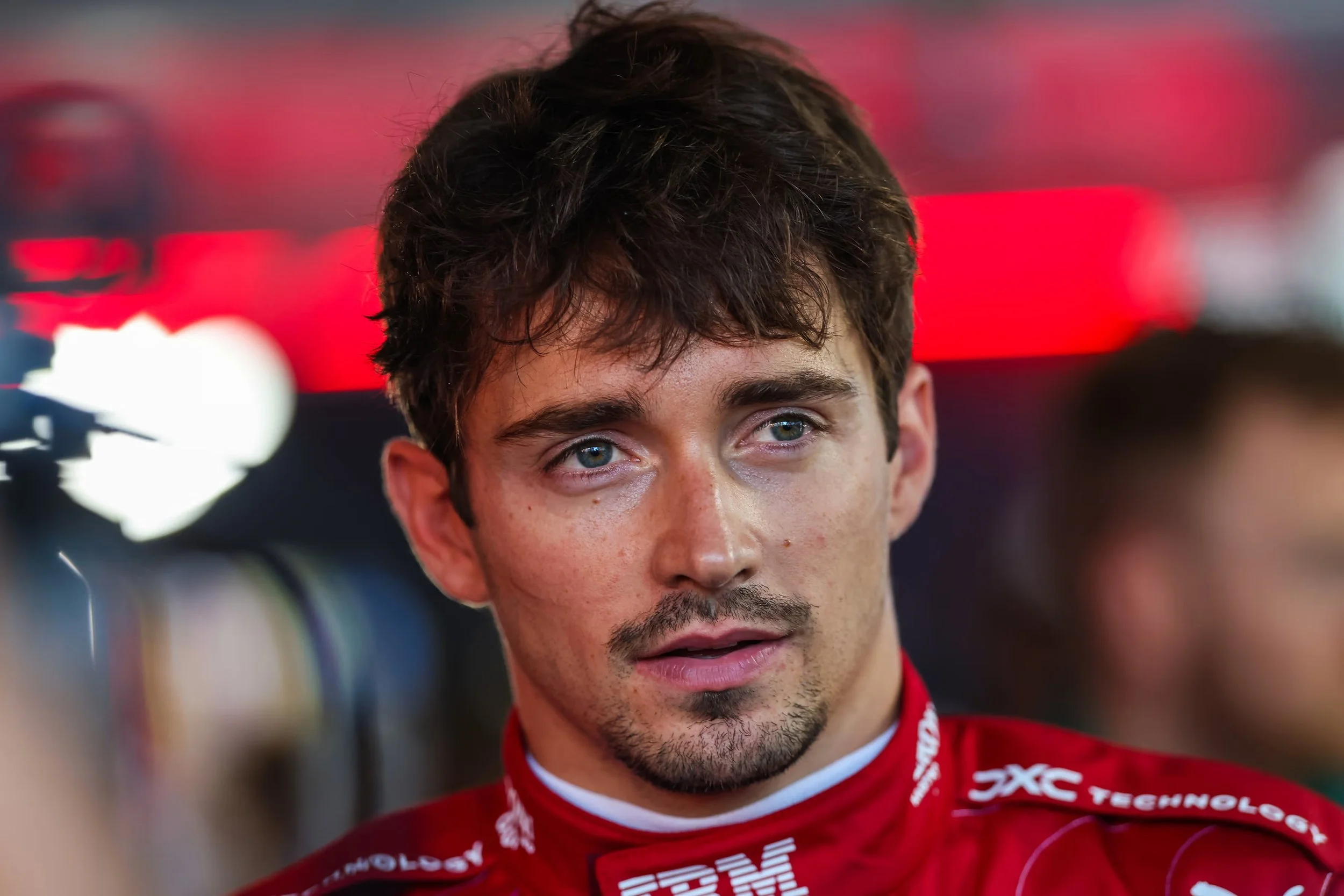
During the pandemic lockdown, several drivers of the younger generation turned to Twitch to engage with their fans. In which emerged a now iconic clip from Scuderia Ferrari driver Charles Leclerc, “Lando, we can be world champions I said.” After Lando Norris’ maiden championship last week, Leclerc was seen approaching the McLaren driver in the paddock, relaying his congratulatory message. His childhood rival, Max Verstappen, has four championships under his belt. His “adopted son,” Oscar Piastri, has fought for the championship till the very end in his third season in Formula 1. Another member of the Twitch Quartet, George Russell, is rumored to be the championship favorite next year, given the development of the Mercedes engine. It makes us wonder, when will a driver of Charles Leclerc’s talent be given a fair chance at the elusive Driver’s Championship title?
For Leclerc, loyalty has always been a big part of his identity. His relationship with Ferrari is a heck of a whirlwind, shaped by childhood dreams, personal tragedy, and a shared sense of destiny. He was part of the Ferrari Academy program and officially joined the Scuderia at 21, becoming their youngest race winner in decades, and carried their hopes through years of strategic blunders, mismanagement, and mechanical heartbreaks. After seven seasons, Ferrari only delivered him a championship-caliber car for half a season in 2022. With his brilliant performance chasing down Lando Norris’ McLaren in Abu Dhabi, we are seeing again how Leclerc is, and has been for many years, dragging the scarlet Ferrari to places it did not belong. Just look at his track record around the crown jewel of Formula 1, the Monégasque driver fought against the limit of the walls of the track, and nailed numerous qualifying laps on Saturdays throughout the years. Only to get his heart broken on Sundays, after his team failed him time and time again in his hometown, until his first victory in 2024.
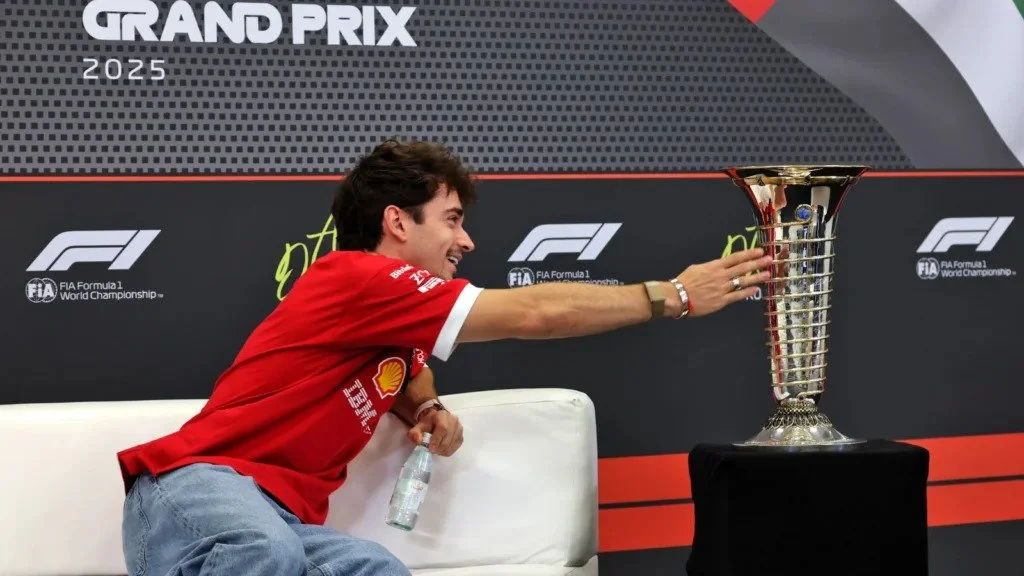
Yet, Leclerc continues to pledge his devotion on media day every week when rumors about him leaving the Scuderia swirl around the paddock. But the whispers are louder now. Reports claim three teams are actively pursuing him, with Aston Martin even rumored to have offered him a contract after he evaluated the first six or seven races next season.
Ferrari was one of the first teams to halt development of this year’s car to focus on the new 2026 regulations, and if they get it wrong, will Leclerc finally entertain the unthinkable: leaving the team that defines him? As Maranello’s golden boy, his personal brand is tied to Ferrari red, but what happens when the dream becomes suffocating? At what point does loyalty stop being noble and start being a hindrance to his success?
Oscar Piastri & McLaren: No More Papaya Rules, Please
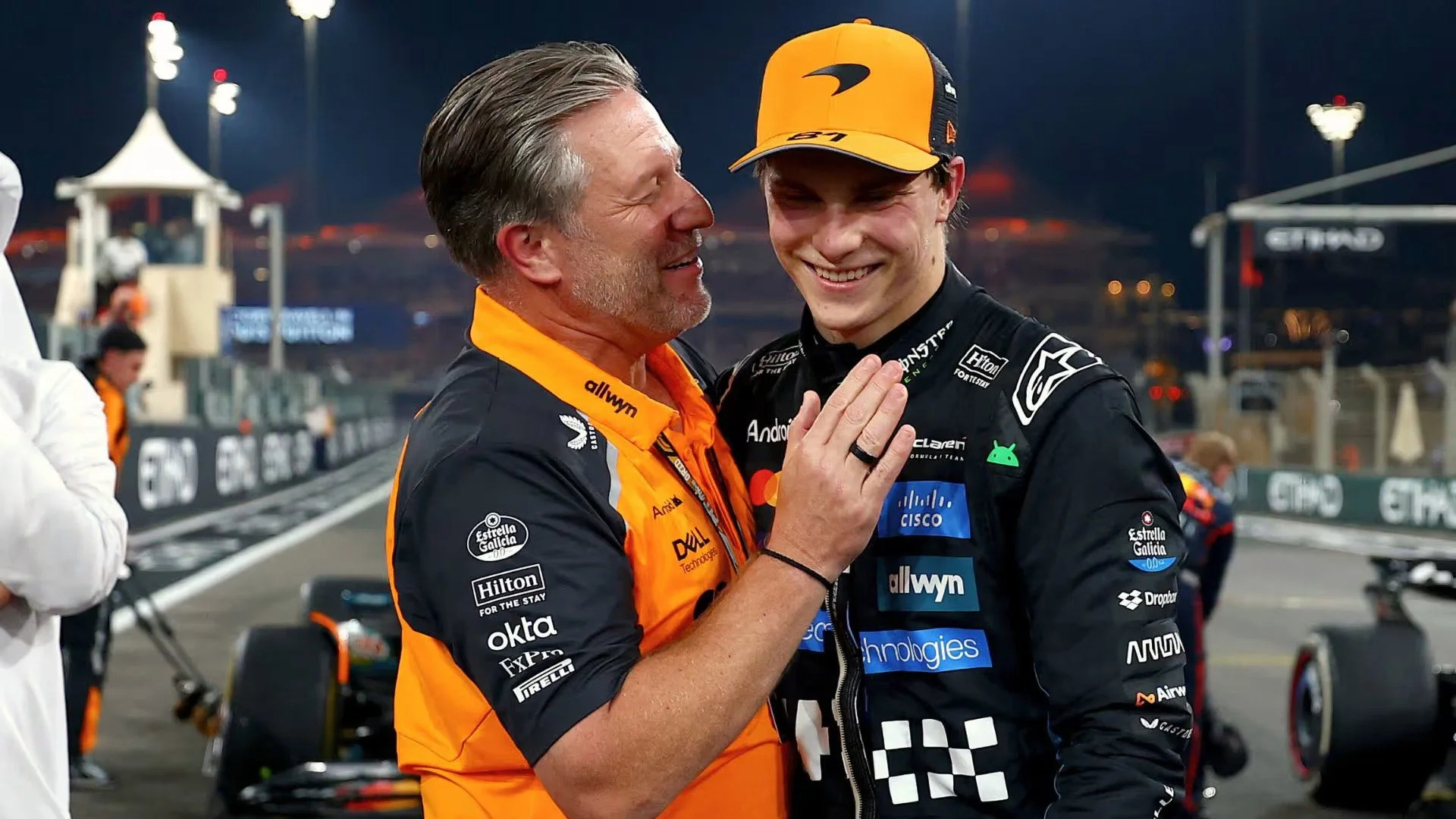
Oscar Piastri faces the opposite problem. McLaren was in the back of the field at the start of the 2023 season, but turned everything around in a year, securing two Constructors’ Championships and one Driver’s Championship in the following seasons. Unfortunately for Piastri, the driver who secured the team’s first driver’s title since 2008 was not him, but his teammate across the garage, Lando Norris.
Whether we believe it or not, the papaya team insists they have no No.1 driver, but Norris's championship will no doubt shift that equilibrium. Norris has been with the team since the start of his career in 2019, and has been stuck with the team ever since. Piastri joined in 2023, after McLaren snatched him from Alpine, and has been delivering at a very high level, including winning the Qatar Spring race in his rookie season. This year, he led the championship for the majority of the season, with a comfortable buffer after Zandvoort. But a disastrous weekend in Baku signaled a dip in his performance towards the end of the season. Coming into the final weekend in Abu Dhabi, Piastri found himself third in the championship standings. Still has a mathematical chance of winning it, but had to hope for a miracle from the two ahead of him. He was put on a different strategy, and ultimately lost out to his teammate and Max Verstappen in the title chase.
After the race, Zak Brown called him “a great team player” at Abu Dhabi, and it sounded less like praise and more like a subtle positioning. The Papaya Rules, or McLaren’s fairness doctrine, are admirable in principle, but have been heavily criticized by the media and fans. Piastri is too fast and too ambitious to spend another regulation cycle as “the equal teammate” to the new champion. He and his manager, Mark Webber, know what this looks like historically: once your teammate wins a championship, the political gravity inside a team changes. And McLaren’s 2025 season, however successful, exposed cracks in how they manage equality — team orders in Monza, lopsided public narratives, and celebrations where Piastri, the championship leader at that time, was left out of the party. Loyalty for him may soon collide with the need to build a legacy independent from the Papaya Rules.
Max Verstappen & Red Bull: Where Does His Loyalty Lie?
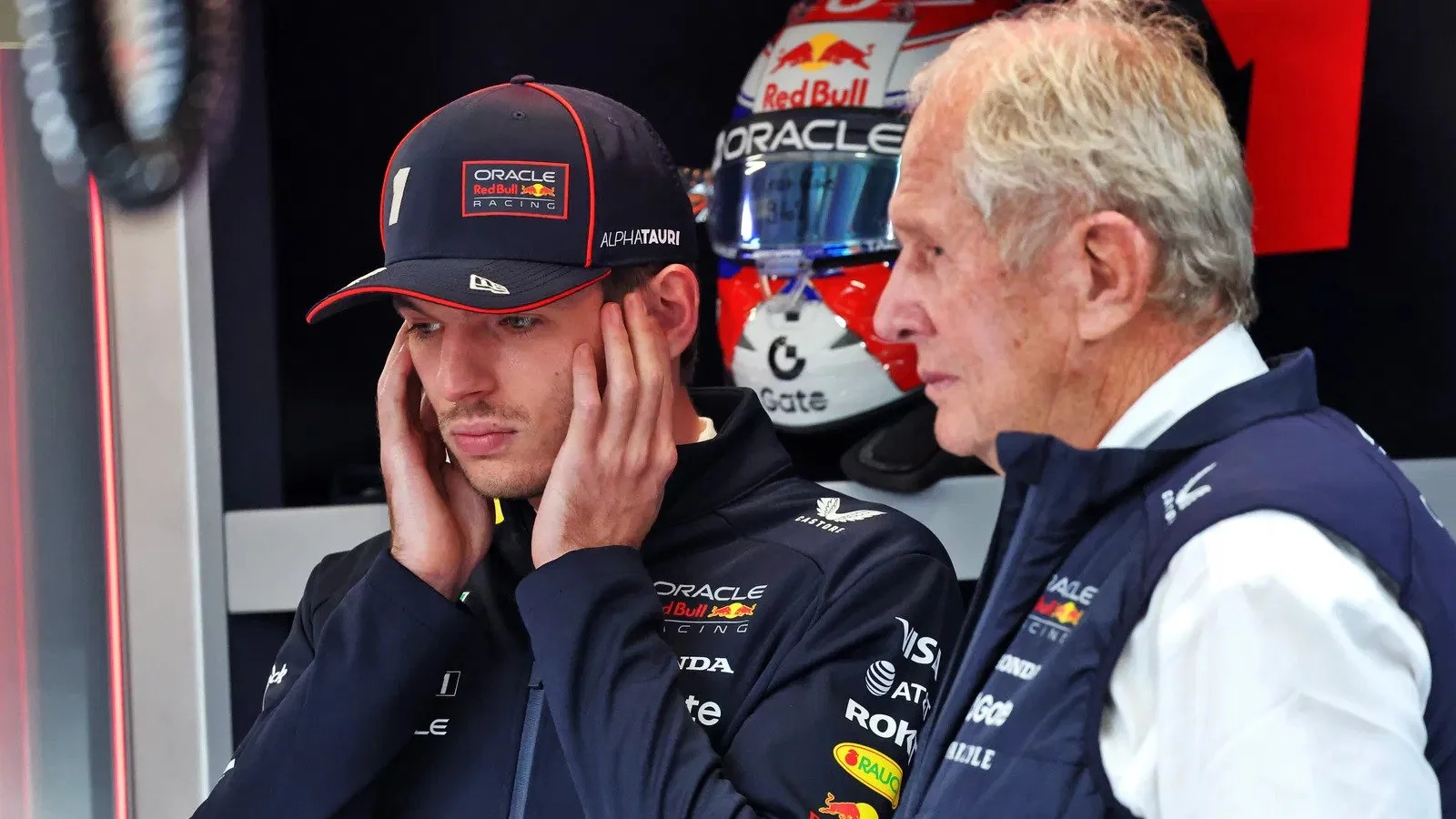
And then there’s Max Verstappen, whose loyalty to Red Bull was often overlooked.
After narrowly missing out on his fifth consecutive title by two points, Verstappen came on the radio to share his pride in his team for how they managed to turn the second half of the season around. Verstappen’s race engineer, Gianpiero Lambiase, was seen getting emotional behind the pit wall, with Red Bull’s long-time Motorsport Advisor Helmut Marko patting him on his back.
Over the summer, countless headlines about the Red Bull Camp started to go around. Most notably, Christian Horner’s exit and Max Verstappen’s possible move to Mercedes. The Dutch driver later confirmed he will be driving for the Milton Keynes team next year. Possibly because by then, he will get a chance to re-evaluate the grid and consider his options for 2027.
When Verstappen crossed the finish line in 2021, after claiming his maiden title, he cried on the radio, saying, “Can we please do this for another 10, 15 years together?” Now, only four years later, almost all of the key figures that helped to build the once dominant dynasty at Red Bull have left: Adrian Newey, Jonathan Wheatley, Rob Marshall, Christian Horner, and now finally Helmut Marko — the architect of Verstappen's entire F1 career. Even his longtime race engineer, Gianpiero Lambiase, was rumored to be stepping down from his role due to personal reasons, namely a need to travel less, but that rumor has died down in the past day. Now, the only players remaining are Gianpiero Lambiase and Principal Strategy Engineer Hannah Schmitz. The Red Bull team next season, led by Laurent Mekies, will look drastically different from what Verstappen is used to. If the Red Bull-Ford powertrain is a let-down, and Pierre Waché fails to figure out the aero-package, will Verstappen’s loyalty to Helmut Marko (he was rumored to have an exit clause in his contract that tied with Marko’s role in the team) be the last straw to his commitment to the team?
Across all three cases, the emotional logic of loyalty collides with the structural logic of modern F1. In F1, an athlete’s success is largely dependent on the performance of their machinery. Every year, teams come to preseason testing, not knowing how well they stack up against their competitors. Every update throughout the season feels like a calculated gamble — some might work, and some might not. The packing order shifts around when one team figures out something other can’t quite nail. The drivers will have to make their best judgments, balancing their desire to win and build a legacy with their teams. With only 20 to 22 seats each year, the window for glory is narrow and unforgiving. Waiting too long can cost you the peak of your career.
That’s why the 2027 driver market already feels like it’s due for a big shakeup. Any change in the driver lineups for the top four teams will create a trickle-down effect. Leclerc may have to choose between remaining the tragic hero of Ferrari or rewriting his career elsewhere. Piastri may have to decide whether equality at McLaren is real or performative. Verstappen may have to confront that the ship he stayed loyal to is no longer the one he signed onto.
Loyalty looks beautiful in hindsight. It makes great stories. But it is also a double-edged sword, one that can make you a legend or leave you wondering what might have been. In a sport where milliseconds on the timer matter, loyalty might not be a big virtue at all, but a test: How long do you stay before you finally prioritize yourself?
